
Movement control is a coordination function
In military logistics, movement control is the planning, routing, scheduling and in-transit visibility of cargo and personnel across a distribution network. It is not the act of driving a truck; it is the discipline that makes the movement predictable.
That same function is what a well-run transportation coordinator performs commercially: validating requirements, matching capability, sequencing movement, and maintaining visibility from origin to destination.
Deployment planning builds sequencing habits
Unit movement and deployment planning force a planner to think in sequence and constraint: what moves first, what mode it moves on, what documentation follows it, and what happens when a node is delayed.
Applied to defense-related freight, that produces plans with contingency built in rather than plans that assume perfect conditions.
Theater distribution teaches node awareness
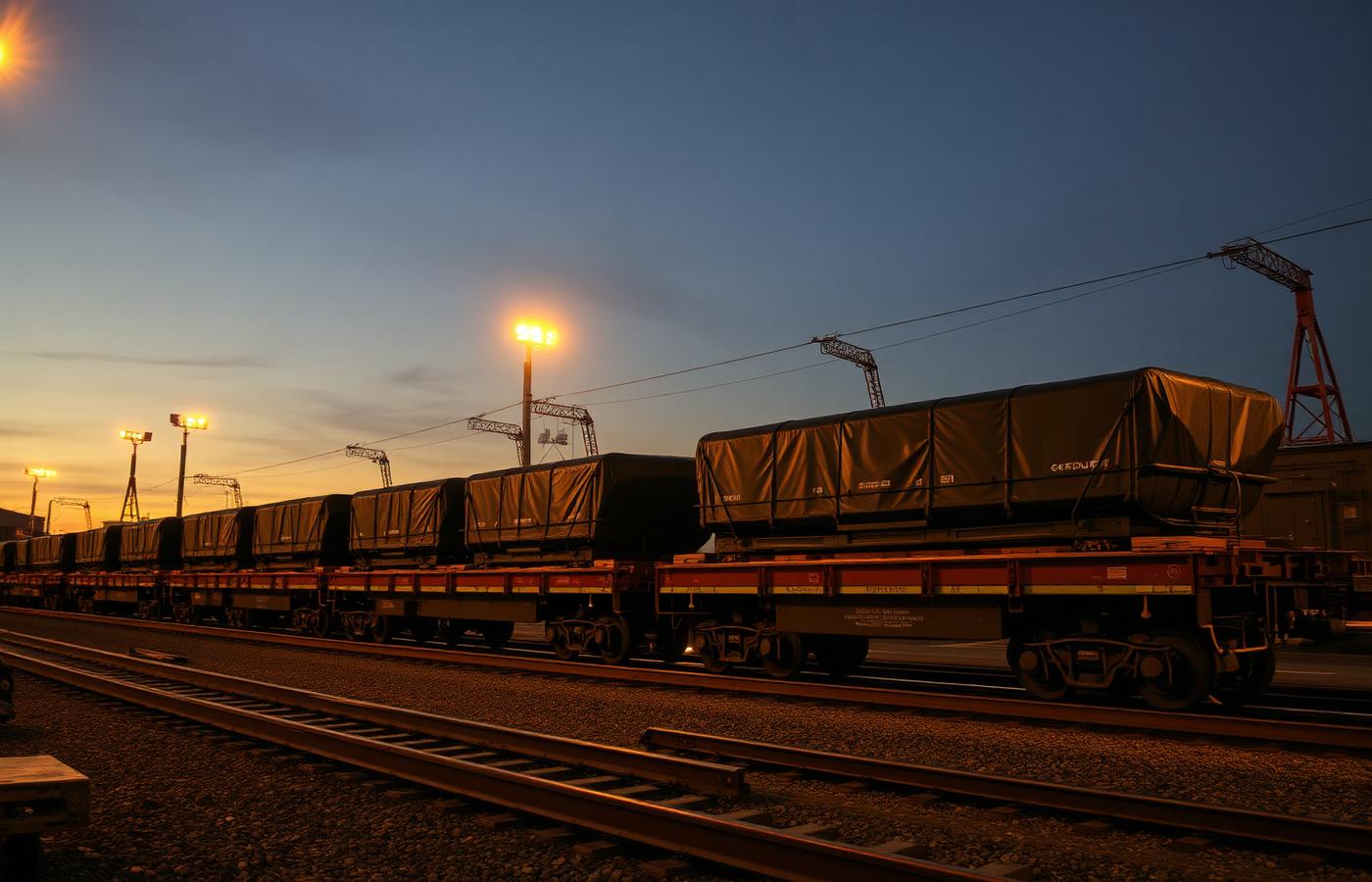
Theater distribution work centers on nodes — ports, airfields, railheads, staging yards — and the handoffs between them. Most freight failures happen at handoffs, not in transit.
Coordinating intermodal and project freight commercially benefits from the same node-by-node accountability.
Accurate reporting is what keeps a shipment recoverable
Systems such as TC-AIMS II and GATES exist because visibility and accurate reporting are operational requirements, not administrative extras. Commercially, the equivalent is disciplined status reporting: proactive updates, documented exceptions, and clean records after delivery.